
Hidden Springs Homestead may earn a commission for purchases made after clicking links on this page. Learn More.
In recent years, heirloom seeds and heirloom vegetables have become increasingly popular with home gardeners! But what are they, why should you grow them, and how are they better than modern seeds?
This comprehensive guide will delve into the world of heirloom seeds, answering these questions and more!
Whether you’re a seasoned gardener or just beginning, this article offers valuable insights about heirlooms to provide a deeper connection to gardening and strengthen your gardening experience.
What are heirloom Seeds?
For home gardeners, heirloom seeds are like treasures from the past. They have been passed down from generation to generation, preserving important aspects of families and cultural history. Because they have been grown and saved by their local communities, their DNA is often adapted to the environment, making them easier to grow and often disease-resistant.
A heirloom is an object or possession that has belonged to a family for several generations and has been passed down through the generations.
The University of Wisconsin Extension states that many believe that any variety seed grown before 1951 is an heirloom and says that many heirlooms are 100-150 years old or older, but then reminds us that Native Americans have been saving seeds since the pre-Columbian era. So, heirloom seeds have been around for a long time.
Most reference heirlooms vegetables as being any seed variety over 50 years old. There are seed companies, such as the Seed Savers Exchange, and others that spend a lot of time researching the history and preserving the stories of heirlooms. Many are fascinating to read.
I’ve compiled a list of my favorite heirloom seed companies for you to check out.

RELATED: Even if you’ve never gardened before, this Vegetable Gardening for Beginners Ultimate Guide is for you! Learn everything you need to know from over 60 resources, all in one place, to be a successful gardener, including improving soil, cover crops, warm and cool season crops, organic amendments, fertilizing, watering, garden pests and diseases, and so much more.
What Makes Heirloom Seeds So Special
Heirloom seeds stand out from both hybrids and GMOs. Since they are open-pollinated naturally.
- Open Pollinated – meaning the plant is pollinated by wind, insects for other natural way and the offspring reproduce true to seed, meaning they are virtually identical to the parent plant. Therefore, heirloom seeds reproduce their own kind.
- True to type – meaning that two or more plants from the same species are naturally pollinated, and when seeds are saved from these plants and replanted, they will grow true to their parent plant.
Heirlooms have not been manipulated by genetics to change their character.
How are Heirlooms Different From Hybrid & GMO Seeds
Both hybrids and GMOs are cross-pollinated and genetically changed to produce specific traits when they grow. https://extension.illinois.edu/sites/default/files/dkk-mg-seed-swap-hybrid-heirloom.pdf
Hybrid Seeds
Hybrid seeds are produced by crossing specific parent plants in a controlled pollination environment. Many people misunderstand and think it is from two different species of plants, but it’s not.
Two or more of the same plant type, such as pumpkins, cucumbers, tomatoes, etc. are grown and intentionally cross-pollinated by hand to produce certain plant traits for marketing, such as:
- Increased germination
- Flavor
- Increased yields
- Vigor
- Color
- Size
- Extended Storage life
- Fruiting qualities such as texture, tenderness, juiciness, shape, etc.
- Environmental tolerance
- Disease resistance
- Insect resistance
Hybrid seeds do not produce true-to-type vegetables; therefore, buying seeds every year will be required.
GMO Seeds
GMO stands for Genetically Modified. This means these seeds are altered in labs to grow specific traits like resistance to herbicides or genetics that detour pests and disease.
Corn comes to mind for me. I’ll never forget sitting in class when I was getting my certification as a Master Gardener and heard the instructor say something like: “GMO corn is the answer to our pest problem. It has been genetically modified with the BT bacteria to kill corn rootworms when they try to damage it.”
Essentially, he was saying that the entire corn stalk, no matter the size, has been genetically modified to be a herbicide. Herbicides cause poisoning to birds, bees, and pollinators and are causing devastation to the ecosystem.
Thankfully, GMO seeds are not available to home gardeners, so don’t be concerned about accidentally getting hold of any. Heirlooms are non-GMO and are best for growing you home gardens.
GMO seeds are available only to large commercial growers that normally do mono-cropping only. Sadly, though, commercial growers are the companies that fill the grocery store vegetable department. So these vegetables are tainted with pesticides.
Benefits of Growing Heirlooms
Hands down, the benefits of growing heirloom seeds far exceed the disadvantages.
Some reasons to grow heirlooms are as follows:
- Better Flavor – The seeds have not been modified or altered for their appearance; therefore, their flavor remains delicious. A homegrown heirloom tomato is much tastier than one from the hybrid version from the grocery store.
- Less Expensive – Since heirlooms have not been modified by hand or cross-pollinated, there is no extra cost added to them. Side by side on a store rack or in a seed catalog, heirloom seeds often cost less than hybrids.
- A Piece of History – These seeds have been saved and passed down through generations and have been able to remain true. So you are growing a part of history.
- Stronger Plants – The seeds from the best vigorous plants have been selected therefore acclimate easier to weather conditions, making them the best choice.
- More Nutritious – Heirlooms have yet to be selected to be uniform in shape so that they will sell better. Home gardeners consider more than appearance, resulting in better-tasting, nutritious vegetables and fruits.
- One Step Closer to Sustainability – Heirloom seeds can be purchased once and saved year after year bringing you one step closer to sustainability.
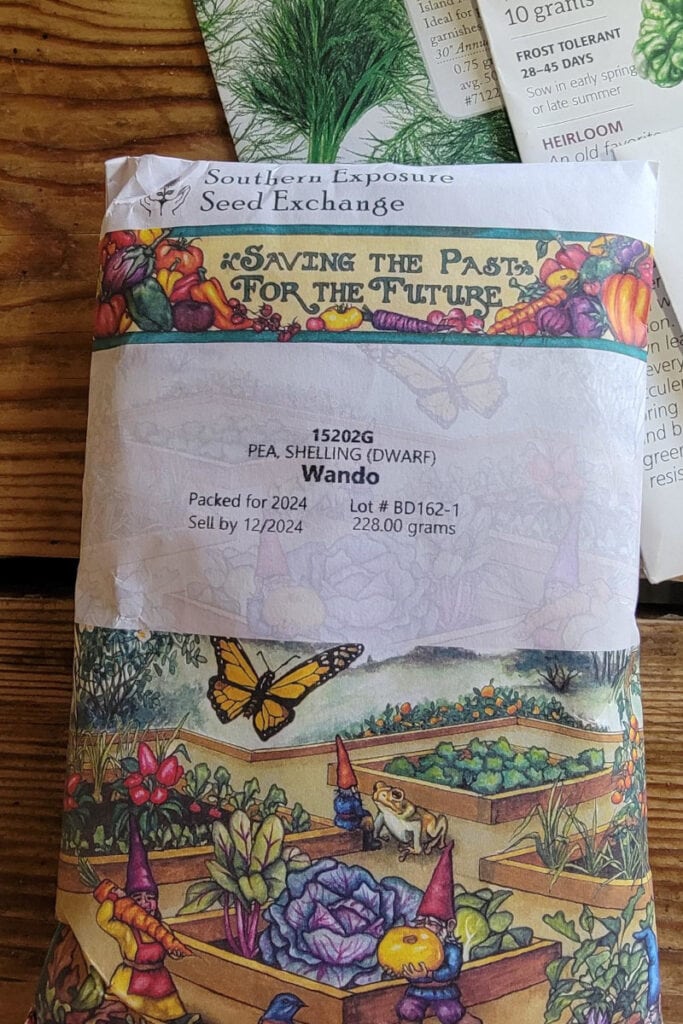
- Adaptability – It’s not unusual for heirloom plants to quickly adapt to new locations over a short 2-3 seasons. As heirlooms have been handed down from generation to generation they’ve adapted to specific places and weather patterns. These defenses mean home gardeners can beat their local problems without resorting to chemicals. (Southern Exposure Seed Exchange)

Disadvantages of Growing Heirlooms
The benefits of growing heirlooms far exceed the disadvantages. I can think of only three reasons, and planning can easily overcome them.
- Size – heirloom plants require space, and home gardeners with small garden spaces may find growing them more challenging than growing hybrids that have been modified to grow compactly.
- Dependability – heirloom seeds have not been modified to grow consistent yields as hybrids have been. Therefore, some years, they may produce prolifically, and then other years, the harvest may be less.
- Limited Availability – since the popularity of heirloom seeds has increased, they are less widely available than modern hybrids. You will need to order seeds from companies specializing in heirlooms early.
How to Choose and Source Heirloom Seeds
When selecting heirloom seeds, use these tips for your best advantage:
- When ordering from seed companies, choose companies in a similar growing climate. Most likely, they have commissioned local farmers to raise and produce these seeds so that the weather conditions will compare to yours.
- Consider factors such as climate suitability and flavor preferences. Seek out reputable seed companies or local exchanges specializing in heirloom varieties, ensuring you choose seeds that will thrive in your garden.
I’ve compiled a list of favorite seed catalog companies for you. I have ordered from these and know that their seeds are of quality.
Tips for Buying Heirloom Seeds
Again, since the popularity of gardening is growing, families are growing more of their own food, and seed companies have limited supplies, especially heirlooms. These tips can help to ensure you get the seeds you need.
1. Buy from Well-Known Sources
You can find some heirlooms on the store shelf, but others must be ordered from seed companies. Make sure to buy from a reliable source.
2. Buy Early.
I can’t express this enough. With home gardening expanding rapidly, seed growers find it more challenging to keep up with demand.
It’s best to plan your garden in December over the holidays or early January and order seeds as soon as possible after that.
I’ve ordered several heirlooms from True Leaf Market, Sow True Seeds, etc. These are reputable companies and seem to keep a good stock.
Best Practices for Growing
Are heirlooms harder to grow? Like any seed, you should begin with healthy soil to maximize your success. Soil nutrients are vital for plant nutrition, and it’s best to build soil naturally rather than using synthetic fertilizers.
Like all plants, heirloom plants need adequate water and sunlight. But they have adapted and may not need as much as hybrids. Then, of course, practice regular pest and weed management.

RELATED: How to Start a Garden
Saving and Preserving Seeds
Saving heirloom variety seeds is essential for maintaining their availability for future generations. You’ll want to allow some plants to go to seed so you can harvest and save them.
Always collect seeds from your garden’s healthiest and most vigorous plants. An excellent book I recommend for saving seeds is The Complete Guide to Seed Saving. I have it, and it has more than paid for itself in one season of saving seeds!
Heirloom Vegetable Varieties
- Carrots – Scarlet Nantes, Danvers, Tendersweet
- Cucumbers – Boston Pickling, Straight Eight, Marketmore
- Tomatoes – Amish Paste, Brandywine, Beefsteak
- Green Beans – Provider, Kentucky Wonder, Contender
- Squash – Crookneck, Hubbard, Long Island Cheese
- Broccoli – Di Cicco, Belstar, Calabrese (my favorite!)
More Garden Posts to Help You Grow:
- 10 Tips for Buying Seeds Online
- How to Start Seeds Indoors
- Garden Mapping: How to Plan and Organize Your Vegetable Garden
- Soil Temperatures, When to Plant Spring Vegetables
- 7 Tips to Prepare Before Garden Season


Dianne Hadorn is the owner of Hidden Springs Homestead, nestled in the hills of East Tennessee. A Master Gardener and lifelong homesteader, she teaches families how to grow real food, preserve it with confidence, and depend less on the grocery store. Through her practical, down-to-earth approach, Dianne has become a trusted source for beginners who want to build a sustainable lifestyle and fill their pantries with food they’ve grown themselves.