
Hidden Springs Homestead may earn a commission for purchases made after clicking links on this page. Learn More.
Curious about how to feed pollinators into late fall? You probably understand how to attract pollinators to your garden, and attracting them is great, but once the flowers stop blooming, then what?
Many people focus on getting their gardens and homesteads ready for winter at this time of year. This is great, but did you know that you can extend your gardens to feed pollinators later into the fall and early winter in some areas?
Before we get started, it’s important to understand more about them so we can better help them.
RELATED: Even if you’ve never gardened before, this Vegetable Gardening for Beginners Ultimate Guide is for you! Learn everything you need to know from over 60 resources, all in one place, to be a successful gardener, including improving soil, cover crops, warm and cool season crops, organic amendments, fertilizing, watering, garden pests and diseases, and so much more.
What is A Pollinator?
Without getting deep into the science of a flower, just understand that plants set blooms, male and female, and these blooms must be “pollinated” to reproduce. And it’s the job of pollinators to do this.
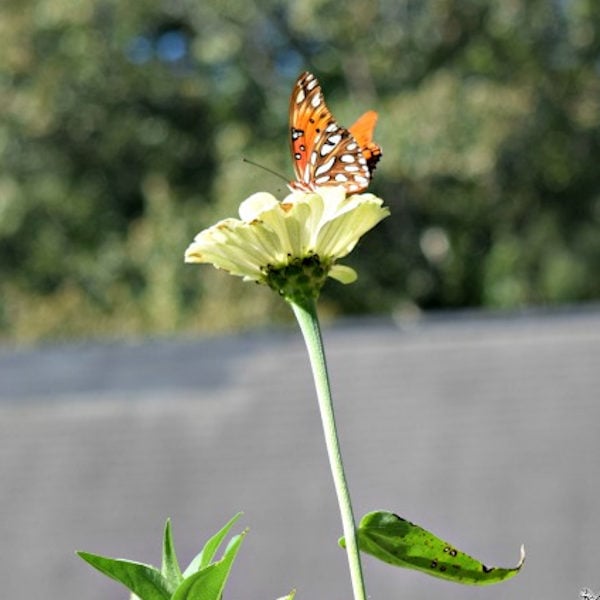
Pollinators are any animal, such as bees, birds, butterflies, caterpillars, and other insects, that moves or dashes from one flower to another, moving pollen from one flower to the next. This activity is called “fertilization.”
Just as humans or other animals cease to reproduce without fertilization, plants need pollination to produce and set fruit.
The honeybee, native bees, butterflies, and caterpillars are examples of pollinators. But did you know that birds, beetles, bats, moths, wasps, insects, and even ants are also pollinators?
Why Pollinators Are Important
So, you can see that pollinators are vital to the reproduction of many of the foods we eat. It’s been estimated that one-third of our food system depends on them.
Without them, the food system would be broken. Even if you grow your own food, your yields would be reduced and possibly not even produce.
So, the more pollinators you have, the higher your yields!
How To Feed Pollinators Into Late Fall
What Do Pollinators Eat?
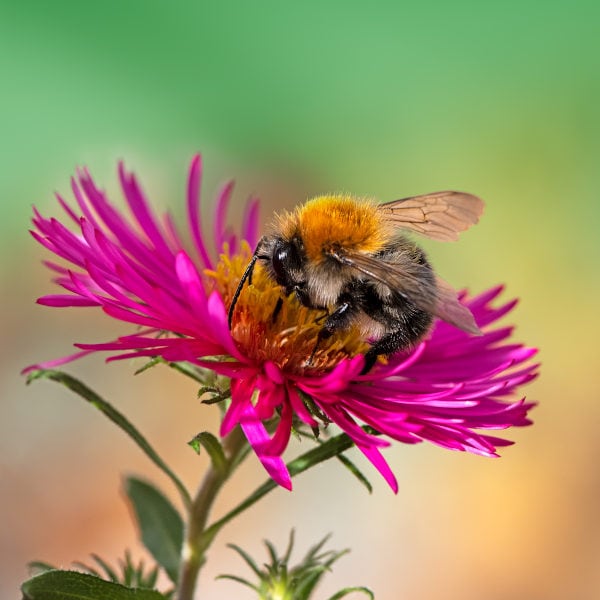
For the most part, they eat and/or drink pollen and nectar from flower blooms. Pollen is a great source of protein, and nectar provides them with energy.

They need access to both as late into the fall season as possible. Of course, various kinds of bees look for a variety of different plants to feed on.
The honeybee, though not native, will eat pollen as well as rotten fruits and then use this food to produce honey. They will also eat the honey they produce.
It’s important to have a garden that blooms not only early in the spring but also continues to bloom into late fall and early winter. Bees will continue to pollinate as late as they have food available or until they go underground for the winter. Honeybees will need to be fed all winter.
Growing cover crops on your garden beds is a great way to feed them even later, giving them additional areas to nest over the winter.
While cleaning up the garden today, I noticed the zinnias, marigolds, and verbena were still blooming and were swarming with lots of butterflies and native bumblebees.
I had also let a large basil plant go to flower, and it, too, was covered with bees.
It’s very easy to tell that winter is coming since they are actively working tirelessly to feed.
How Can You Feed Pollinators Into Late Fall?
Providing habitat for pollinators to help them thrive right up until winter is not complicated. Here are a few easy ways:
- Choose a mixture of native plants that will bloom not only in early spring and summer but right up until winter.
- Flowers of different colors, shapes, and scents attract various varieties of pollinators, so you can have a pollinator garden buzzing.
- Having a variety of flowers will give you a variety of pollinators
- When cleaning up the fall garden, think about leaving your brassicas, such as broccoli, cauliflower, cabbage, and mustard greens, to overwinter. Leaving these to bloom will help to attract and feed pollinators late into fall and winter.
The later in the season, they have access to pollen, the better their chance of surviving the winter.
Use this great list of 24 free seed catalogs to find organic, heirlooms, and non-GMO seeds. Careful not to plant hybrids, as they don’t produce as well as heirlooms, and pollinators suffer as a result. The list also includes some great native plant nurseries as well.
Consider Building A Pollinator Garden
A pollinator garden is a garden planted specifically to attract pollinators. Last spring, I set out to build one next to the vegetable garden.
It has worked well, even though this is its first year. I have had numerous bees buzzing around, and fewer garden pests, and overall my garden yield has more than doubled from last season.
The space I have is 13 x 35. It’s planted with native plants designed to bloom in early spring, late fall, and early winter. Below is a list of many of the native plants you can put into a pollinator garden.
If you build one, it does not have to be this size. But a tip: When you plant natives, plant them in clusters. This makes it easier for them to find on their journey.
NOTE: Please don’t go out into your local forest and dig up wildflowers to bring home.
Do some research on your area nurseries that sell native plants. You can buy from them or start your own from seeds.
WARNING: Before purchasing plants, ask if any fungicides, pesticides, etc., have ever been used on them.
Big box stores and many nurseries use neonicotinoids. These chemicals are deadly to insects of all kinds. They never go away once used on a plant or even in potting soil!
The result is causing a drastic decline in pollinators since many people shop at big box stores. So, do your homework and know what you are supporting.
Native plants can be expensive. A great way to get them on the cheap is to find local ” farm-to-market” locations in your area that grow them from seed. Make sure to ask questions about their growing habits.
List of 22 Late Fall & Winter Blooming Flowers for Pollinators
Basil – (as mentioned above) can be left to flower in the fall after the vegetable garden is done. Basil attracts bumblebees, honeybees, butterflies, and many other pollinators.
Autumn Joy Stonecrop – large landing-pad-like flower blooms mid-summer to late fall. The flower starts green, aging to pink to russet-red in the fall. Attracts honeybees, butterflies, and moths. Zone 4-9
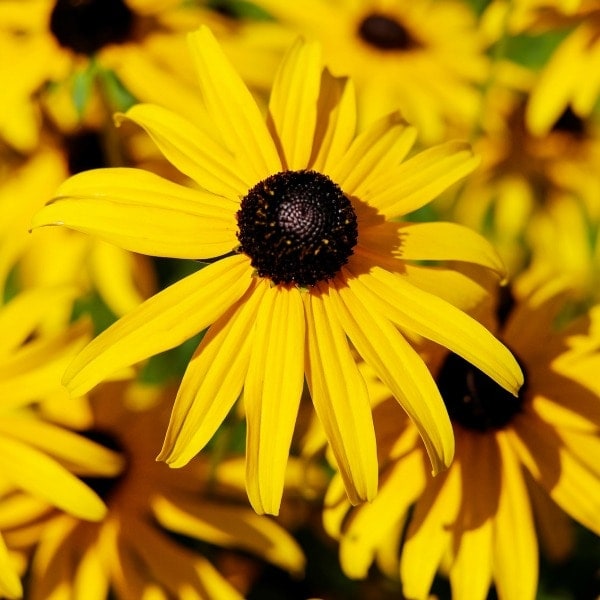
Cleopatra Coneflower – pollinators love these bright yellow blooms. This plant does adapt to cold temperatures once established. Attracts bees, butterflies, moths, and hoverflies. Zone 4-8
Oakleaf Hydrangea – large white blooms in the summer that turn a rose-pink in the fall. They not only provide nectar and pollen for the pollinator, but it also provides a place to nest over winter. Attracts honeybees, bumblebees, and hoverflies. Zone 5-9
Other late fall and winter blooming flowers that provide for pollinators and the zones they thrive in:
- Lemon Balm (4-9)
- Marigolds (6-11)
- American Beauty Berry (6-10)
- Milkweed (4-9)
- Lantana (orange and yellow very popular) (8-11)
- Goldenrod (4-9)
- Aster (different varieties) (4-9)
- Sunflowers (3-9)
- Autumn Joy Sedum (3-9)
- Salvia Greggii (7-8)
- Pineapple Sage (8-11)
- Iron Weed (3-8)
- Joe Pye Weed (4-9)
- Mountain Mint (4-8)
- Lantana (8-11)
- Echinacea (3-9)
- Bugbane (3-9)
- Butterfly Bush (Dwarf) (5-10)

This is just a small part of a large list. To learn more about late summer and fall blooming flowers for your area, take a look here at the Xerces Society website and click on your region.
Another good website to look at is the Monrovia Grow Beautifully site. They have a list of gorgeous images you can look at for ideas.
Consider Native Trees and Shrubs for Pollinators
Growing native trees and shrubs are wonderful providers for pollinators. Most non-native trees require a lot of care to force them to survive in your area. And more often than not, a non-native cultivar is not helpful to pollinators either.
When you plant trees and shrubs, look at natives. They require a lot less work, are adapted to the local climate, and will more easily survive without a lot of care. A win-win for you!
Recommended Books to Add To Your Library
I think we should always “BEE” learning and educating ourselves about protecting pollinators. A few books I own and would highly recommend are:
- Pollinators of Native Plants, by Heather Holm
- Pollinator Friendly Gardening, Rhonda Hayes
- 100 Plants to Feed Bees, the Xerces Society
- Attracting Native Pollinators, the Xerces Society
Now that you know more about how to feed pollinators into late fall and winter, is your homestead a bee-friendly one? Are you growing any late-blooming flowers to feed attract and feed them?
Share how you already help or plan to help in the comments below.
Connect with Hidden Springs Homestead!
Be sure to follow me on social media so you never miss a post!
Dianne Hadorn is the owner of Hidden Springs Homestead, nestled in the hills of East Tennessee. A Master Gardener and lifelong homesteader, she teaches families how to grow real food, preserve it with confidence, and depend less on the grocery store. Through her practical, down-to-earth approach, Dianne has become a trusted source for beginners who want to build a sustainable lifestyle and fill their pantries with food they’ve grown themselves.
I’m surprised that you advise against foraging for native flowers!
Hi Carol,
I don’t advise against foraging, I advise against actually digging up native plants and relocating them to other locations. There are exceptions to this, for instance when land is being cleared for housing, growth, etc. Then yes, save all the natives you can, but otherwise, leave them be. Make sense?
Thanks for reading, it sounds like we have a lot in common,
Dianne
Very informative! It is amazing how God has made each creature, small or big, to know when and how they need to get ready and how to survive:)